


Should I Replace My Skylights When I Get a New Roof?
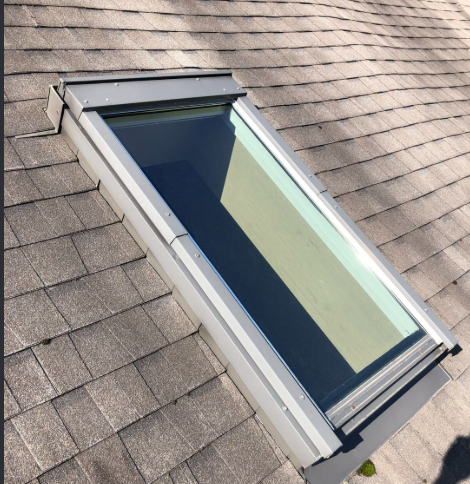
Can You Keep Your Old Skylights? What Metro Detroit Homeowners Need to Know
If you're getting ready to replace your roof, you may be wondering:
"Do I really need to replace my skylights too, or can I keep the ones I already have?"
The short answer is: Sometimes you can keep your existing skylights—but you should have them carefully evaluated before installing your new roof.
A skylight is more than a piece of glass or plastic sitting on top of your roof. It is a component of your roofing system, and the area around it must be properly flashed and sealed to prevent water from entering your home.
When you're already replacing your roof, it's the perfect time to determine whether your existing skylights should stay or be replaced.
At Covered Construction Inc., we recommend evaluating the condition, age, design, flashing, and overall performance of your skylights before making that decision.
Why Should You Consider Replacing Your Skylights?
One of the biggest reasons is simple:
You don't want to install a brand-new roof around an old, deteriorating skylight.
If your skylights are older, they may be nearing the end of their useful life even if they aren't currently leaking.
Older skylights can develop problems such as:
Cracked or damaged glazing
Cloudy or fogged glass
Failed seals
Damaged frames
Deteriorated flashing
Cracked plastic
Leaking around the skylight
Drafts
Condensation
Discoloration
Deteriorated gaskets or seals
If the skylight is already showing signs of deterioration, replacing it while the roof is being replaced can make sense.
Can I Keep My Existing Skylights?
Yes, in many situations, an existing skylight can remain in place during a roof replacement.
But that decision should be based on its condition—not simply because it isn't leaking today.
A professional roofer should inspect the skylight and surrounding area before deciding whether it should stay.
Consider:
How old is the skylight?
If your roof is 20 years old and the skylights are also 20 years old, you may want to think about their remaining service life.
Installing a new roof and leaving behind an aging skylight could mean paying for another roofing-related repair later.
Is the skylight still in good condition?
The frame, glazing, seals and flashing should all be evaluated.
Has it leaked before?
A history of leaks is important information.
Is the flashing in good condition?
Flashing is critical to keeping water out around a skylight.
Is the skylight compatible with the new roofing system?
Your roofing contractor should determine how the existing skylight will integrate with the new roof installation.
Why Skylight Flashing Is So Important
A skylight creates an opening in your roof.
That means water must be carefully directed around it.
This is where flashing becomes extremely important.
Proper flashing helps direct water away from the skylight and back onto the roofing system.
If flashing is damaged, improperly installed, or deteriorated, water can find its way into the roof assembly.
And here's something important for homeowners to understand:
A skylight leak doesn't necessarily mean the skylight itself is defective.
Sometimes the problem is related to flashing, sealants, surrounding shingles, or installation.
That's why simply applying caulk around a skylight isn't always a proper solution.
What Happens When You Replace a Skylight During a Roof Replacement?
If you decide to replace your skylights at the same time as your roof, the process can be much more efficient because the roofing materials around the skylight are already being removed.
While every project is different, the process generally involves several steps.
Step 1: Evaluate the Existing Skylight
Before work begins, the skylight should be evaluated.
Your contractor should look at its:
Age
Condition
Size
Frame
Glazing
Flashing
Surrounding roofing materials
Interior condition
This helps determine whether replacement is recommended.
Step 2: Remove the Existing Roofing Around the Skylight
During the roof replacement, roofing materials surrounding the skylight are removed.
This provides access to the area where the skylight and flashing are installed.
If the skylight is being replaced, the old unit can then be removed according to the manufacturer's installation requirements.
Step 3: Inspect the Roof Decking
This is an important part of the process.
Once the roofing materials are removed, the contractor can inspect the decking around the skylight.
If there has been a previous leak, there could potentially be damaged or deteriorated wood.
If damaged decking is discovered, it should be addressed before the new roofing system is installed.
This is one reason replacing an aging skylight during a roof replacement can be advantageous—you have access to the area and can properly evaluate what is underneath.
Step 4: Install the New Skylight
If replacement is recommended, the new skylight is installed according to the manufacturer's specifications.
The installation should account for the skylight's:
Size
Placement
Roof pitch
Flashing system
Roofing materials
The goal is to create a properly integrated roofing assembly—not simply place a skylight on top of the new shingles.
Step 5: Install Proper Flashing and Weather Protection
This is one of the most important parts of the installation.
The skylight should be properly integrated with the roofing system using the appropriate flashing and weather protection.
Depending on the skylight and roofing system, this may include manufacturer-specific flashing components and appropriate underlayment and water protection.
This is not an area where homeowners should want their contractor to cut corners.
Step 6: Install the New Roofing Materials
Once the skylight is properly installed and protected, the new roofing materials can be installed around it.
The shingles or other roofing materials should be properly integrated with the skylight flashing.
The finished result should provide a clean transition between the skylight and the new roof.
What If I Decide to Keep My Existing Skylights?
If your existing skylights are in good condition and you decide to keep them, your roofing contractor should still pay close attention to the skylight during the roof replacement.
The surrounding roofing materials and flashing may need to be carefully removed and reinstalled as part of the new roof system.
This is where choosing an experienced roofing contractor matters.
You don't want your new roof installation to create a problem around a skylight that wasn't properly addressed.
Don't Let Your Contractor "Just Shingle Around It"
One of the biggest questions you should ask before signing your roofing contract is:
"How are you going to handle my skylights?"
Ask the contractor to explain exactly what will happen.
Will the skylights remain?
Will they be replaced?
Will the flashing be replaced?
Will the decking around the skylight be inspected?
What type of ice and water protection will be used?
How will the new shingles integrate with the skylight?
These are important questions because the details matter.
Should You Replace a Skylight That Isn't Leaking?
There isn't a universal yes or no answer.
If a skylight is relatively new, in excellent condition, and properly installed, keeping it may be completely reasonable.
However, if your skylight is old, deteriorating, showing signs of seal failure, or has a history of leaks, replacing it while the roof is already being replaced may be worth considering.
Think of it this way:
You're already investing in protecting your home with a new roofing system. This is the opportunity to evaluate everything that penetrates that roof.
That includes skylights, chimneys, plumbing vents, roof vents and other roof penetrations.
What About the Cost?
Replacing skylights will add to the cost of your roofing project.
However, replacing them during a roof replacement can be more convenient than waiting until later.
Once the new roof is installed, a future skylight replacement may require additional roofing work around the skylight.
That's why homeowners should look at the total project—not just the initial price of the skylight itself.
A reputable roofing contractor should give you the option and explain the advantages and disadvantages of keeping your existing skylights versus replacing them.
Ask These Questions Before Your Roof Replacement
If your home has skylights, ask your roofing contractor:
How old are my skylights?
Are they still in good condition?
Do you see any signs of previous leaking?
Will the skylight flashing be replaced or reused?
Will you inspect the roof decking around the skylight?
What type of ice and water protection will be installed?
How will the new shingles be integrated around the skylight?
What happens if damaged decking is discovered?
Is replacing the skylight recommended based on its condition?
Is the skylight replacement included separately on my estimate?
Getting these answers before the project begins can help prevent surprises later.
Your Skylights Are Part of Your Roofing System
When you're investing in a new roof, don't focus only on the shingles.
Your roofing system includes many components, and skylights are one of the most important areas where the roof is penetrated.
A new roof deserves properly evaluated skylights, flashing and weather protection.
At Covered Construction Inc., we take the time to evaluate the entire roofing system—not just the shingles you can see from the ground.
We use in-house crews and do not subcontract our roofing installations, and our goal is to make sure you understand what we're recommending and why.
Whether your skylights should be replaced or can remain, we'll help you understand your options before the work begins.
Getting a New Roof in Metro Detroit?
If your home has skylights, don't wait until after your new roof is installed to ask about them.
Have your skylights evaluated as part of your roofing project.
📞 Call Covered Construction Inc. at 248-883-7663
Serving Metro Detroit, Macomb County, Oakland County, Wayne County and surrounding areas.
Covered Construction Inc.
Roofing • Siding • Gutters • Windows • Exterior Maintenance
20+ Years of Experience | In-House Crews | Free Inspections & Estimates
Let's build amazing things together.


Comments