


Comprehensive Guide to Commercial Roofing Options
When it comes to maintaining or upgrading a commercial property, the roof plays a critical role. A well-installed and maintained roof protects the building from weather damage, improves energy efficiency, and enhances the overall value of the property. I will walk you through the essential aspects of commercial roofing, focusing on the most common roofing options, materials, installation processes, and maintenance tips. This guide aims to provide clear, practical information to help you make informed decisions about your commercial roofing needs.
Understanding Commercial Roofing Options
Commercial roofing differs from residential roofing in several ways. Commercial roofs are usually flat or low-sloped, covering larger surface areas. This difference affects the choice of materials and installation methods. Here are the main commercial roofing options available:
1. Built-Up Roofing (BUR)
Built-Up Roofing consists of multiple layers of bitumen and reinforcing fabrics. It is finished with a layer of aggregate, such as gravel, to protect the roof from UV rays and weather damage. BUR is durable and provides excellent waterproofing.
Advantages: Long lifespan, good insulation, and resistance to heavy foot traffic.
Disadvantages: Heavy weight, longer installation time, and requires professional installation.
2. Modified Bitumen Roofing
Modified Bitumen is an evolution of BUR, using asphalt combined with modifiers to improve elasticity and durability. It is typically installed in rolls and can be applied using heat or adhesives.
Advantages: Flexible, easy to repair, and good for low-slope roofs.
Disadvantages: Susceptible to UV damage if not properly coated.
3. Single-Ply Membrane Roofing
Single-ply membranes are sheets of synthetic materials like TPO (Thermoplastic Olefin), EPDM (Ethylene Propylene Diene Monomer), or PVC (Polyvinyl Chloride). These membranes are mechanically fastened, fully adhered, or ballasted.
Advantages: Lightweight, quick installation, and energy-efficient options available.
Disadvantages: Vulnerable to punctures and requires regular inspections.
4. Metal Roofing
Metal roofing for commercial buildings often uses steel, aluminum, or copper panels. It is known for its durability and resistance to extreme weather.
Advantages: Long lifespan, fire-resistant, and recyclable.
Disadvantages: Higher upfront cost and potential noise during rain or hail.
5. Green Roofing
Green roofs incorporate vegetation and soil layers on top of a waterproof membrane. They provide environmental benefits and improve insulation.
Advantages: Reduces heat island effect, improves air quality, and extends roof life.
Disadvantages: Requires structural support and ongoing maintenance.

Choosing the Right Commercial Roofing Option
Selecting the right roofing option depends on several factors. I recommend considering the following:
Building Structure: The roof’s slope and structural capacity influence material choice.
Climate: Weather conditions in your area affect durability and insulation needs.
Budget: Initial costs versus long-term maintenance and replacement expenses.
Energy Efficiency: Some materials offer better insulation and reflectivity.
Maintenance Requirements: Consider how often the roof will need inspections and repairs.
Lifespan: Different materials have varying expected lifespans.
For example, a flat roof in a region with heavy rainfall might benefit from a BUR or modified bitumen system due to their waterproofing capabilities. In contrast, a metal roof might be better suited for areas prone to wildfires or heavy snow.
Installation Process and Best Practices
Proper installation is crucial for the longevity and performance of any commercial roof. Here is a general overview of the installation process:
Inspection and Preparation
Inspect the existing roof structure for damage or weaknesses. Remove old roofing materials if necessary. Ensure the surface is clean and dry.
Installation of Insulation
Install insulation boards to improve energy efficiency and provide a smooth surface for the roofing membrane.
Application of Roofing Material
Depending on the chosen system, apply layers of bitumen, roll out membranes, or install metal panels. Follow manufacturer guidelines strictly.
Sealing and Flashing
Seal all seams, edges, and penetrations to prevent water infiltration. Proper flashing around vents, skylights, and walls is essential.
Final Inspection
Conduct a thorough inspection to ensure all components are correctly installed and sealed.
Hiring experienced professionals for installation is vital. Poor installation can lead to leaks, reduced lifespan, and costly repairs.
Maintenance and Repair Tips for Commercial Roofs
Regular maintenance extends the life of your commercial roof and prevents costly damage. Here are some practical tips:
Schedule Biannual Inspections
Inspect the roof at least twice a year, preferably in spring and fall. Look for cracks, blisters, punctures, or pooling water.
Clean Debris
Remove leaves, dirt, and other debris that can clog drains and cause water buildup.
Check Drainage Systems
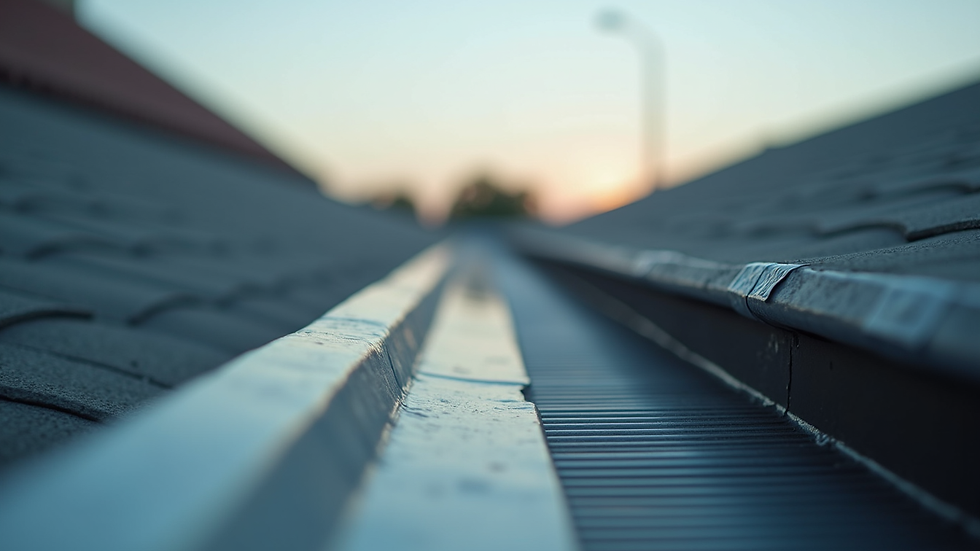
Ensure gutters and downspouts are clear and functioning properly to prevent water damage.
Repair Minor Damage Promptly
Address small issues like punctures or loose seams immediately to avoid larger problems.
Monitor Roof Coatings
Reapply reflective coatings as needed to maintain energy efficiency and protect the membrane.
Document Maintenance Activities
Keep detailed records of inspections, repairs, and maintenance to track the roof’s condition over time.
If you notice significant damage or leaks, contact a professional offering commercial roofing services to assess and repair the roof.
Understanding Costs and Budgeting for Commercial Roofing
Budgeting for a commercial roof involves more than just the initial installation cost. Consider these factors:
Material Costs
Prices vary widely depending on the roofing option. Metal roofs tend to be more expensive upfront, while BUR and modified bitumen are more affordable.
Labor Costs
Skilled labor is essential for quality installation. Labor costs depend on roof size, complexity, and local rates.
Maintenance and Repairs
Factor in ongoing maintenance expenses to keep the roof in good condition.
Energy Savings
Some roofing materials reduce heating and cooling costs, offsetting initial expenses over time.
Warranty and Lifespan
Longer warranties and durable materials can reduce replacement frequency and costs.
Request detailed quotes from multiple contractors and compare the scope of work, materials, and warranties offered. This approach helps you make a cost-effective decision without compromising quality.
Final Thoughts on Commercial Roofing Options
Choosing the right commercial roofing option requires careful consideration of your building’s needs, budget, and local climate. I recommend prioritizing quality materials and professional installation to ensure long-term performance. Regular maintenance is equally important to protect your investment and avoid unexpected repairs.
If you need expert advice or professional assistance, consider reaching out to companies specializing in commercial roofing services. They can provide tailored solutions that meet your specific requirements and help maintain the integrity of your commercial property.
By understanding your options and following best practices, you can secure a reliable, efficient, and durable roof for your commercial building.


Comments